

Tinnitus Treatment
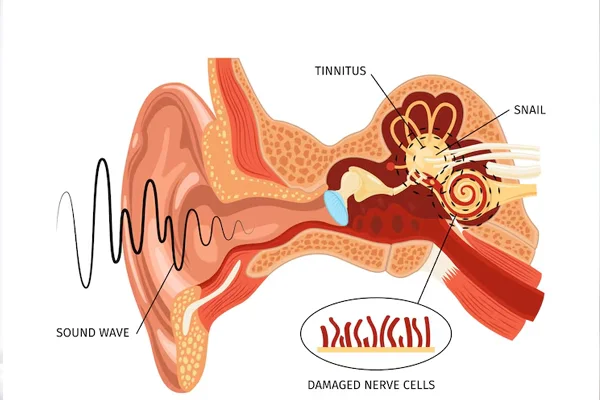
Tinnitus is the perception of ringing, buzzing, humming, hissing, or other sounds in the ear or head when there is no external sound source. It may be temporary or persistent and can affect concentration, sleep, communication, and overall quality of life.
Dr. Sanjeev Arora, an experienced ENT surgeon, provides comprehensive evaluation and personalised management for patients experiencing tinnitus. A detailed assessment can help identify possible underlying causes and determine the most appropriate treatment approach.
What Is Tinnitus?
Tinnitus is a symptom rather than a disease itself. Patients may hear different types of sounds, including:
- Ringing
- Buzzing
- Hissing
- Whistling
- Humming
- Clicking
- Pulsing or rhythmic sounds
Tinnitus may occur in one ear, both ears, or may seem to come from inside the head.
Common Causes of Tinnitus
Tinnitus can have several possible causes. Some common factors include:
- Hearing loss related to ageing or noise exposure
- Excessive or impacted earwax
- Ear infections or other ear conditions
- Exposure to loud sounds
- Certain medications
- Middle-ear problems
- Jaw or temporomandibular joint problems
- Head or neck injuries
- Other underlying medical conditions
Sometimes, no specific cause can be identified. This is why a proper ENT evaluation is important for persistent or bothersome tinnitus.
Symptoms Associated With Tinnitus
Along with ringing or other sounds, some patients may experience:
- Reduced hearing
- Ear fullness or pressure
- Dizziness or imbalance
- Difficulty concentrating
- Sleep disturbance
- Increased sensitivity to sound
- Anxiety or frustration related to persistent symptoms
The nature and severity of tinnitus can vary considerably between individuals.
Diagnosis of Tinnitus
The first step in Tinnitus Treatment in Ghaziabad is identifying possible contributing factors.
Dr. Sanjeev Arora may assess your medical history, symptoms, ear health, hearing, and other relevant factors. Depending on the findings, additional investigations such as a hearing test or other diagnostic evaluation may be recommended.
The aim is to determine whether the tinnitus is associated with an identifiable and treatable ear or hearing condition.
Tinnitus Treatment in Ghaziabad
There is no single treatment that works for every person with tinnitus. Treatment is selected according to the underlying cause, symptoms, hearing status, and individual needs.
Treatment of Underlying Ear Conditions
If tinnitus is associated with an identifiable condition such as impacted earwax, an ear infection, or certain middle-ear problems, treating the underlying condition may help reduce the tinnitus.
Hearing Assessment and Hearing Aids
When tinnitus occurs alongside hearing loss, hearing evaluation is an important part of management. For suitable patients, hearing aids may help improve hearing and reduce the prominence of tinnitus.
Sound-Based Management
Some patients benefit from sound enrichment or other sound-based strategies that make tinnitus less noticeable, particularly in quiet environments.
Lifestyle and Symptom Management
Managing exposure to loud sounds, maintaining healthy sleep habits, reducing excessive stress, and identifying personal triggers may help patients cope more effectively with tinnitus.
Ongoing ENT Care
Persistent tinnitus may require follow-up to monitor symptoms and hearing. A personalised management plan can help patients understand their condition and improve their ability to manage bothersome symptoms.
When Should You See an ENT Specialist?
You should consider an ENT consultation if tinnitus:
- Persists or repeatedly returns
- Occurs mainly in one ear
- Is accompanied by hearing loss
- Is associated with dizziness or balance problems
- Develops after significant noise exposure
- Occurs with ear pain or discharge
- Sounds rhythmic or pulse-like
- Interferes with sleep or daily activities
Sudden hearing loss accompanied by tinnitus requires prompt medical assessment.
Why Choose Dr. Sanjeev Arora?
Dr. Sanjeev Arora is a senior ENT surgeon with extensive experience in the diagnosis and management of ear, nose, throat, and head and neck conditions. His areas of special interest include Micro-Ear Surgery, Cochlear Implant Surgery, Middle Ear Ossiculoplasty, Endoscopic Sinus Surgery, Rhinoplasty, Microlaryngeal Surgery, and Head & Neck Surgery.
His approach focuses on detailed evaluation, identifying potentially treatable causes, and developing an appropriate management plan based on each patient's symptoms and clinical findings.
Tinnitus Treatment in Ghaziabad
If you are looking for Tinnitus Treatment in Ghaziabad, consulting an experienced ENT specialist can help determine the possible cause of persistent ringing or other sounds in the ears.
Dr. Sanjeev Arora provides comprehensive ENT evaluation and personalised tinnitus management, with appropriate hearing and ear assessments when required.
Frequently Asked Questions
Is tinnitus a permanent condition?
Not necessarily. Tinnitus can sometimes improve or resolve when an underlying cause is identified and treated. In other cases, it may persist and require long-term management.
Can earwax cause tinnitus?
Yes. Impacted earwax can sometimes contribute to tinnitus. Professional examination can determine whether wax buildup is contributing to your symptoms.
Can hearing loss cause tinnitus?
Yes. Tinnitus commonly occurs alongside hearing loss. A hearing assessment can help identify whether reduced hearing may be associated with your symptoms.
Is there a permanent cure for tinnitus?
There is no universal cure for all forms of tinnitus. Treatment focuses on identifying and managing underlying causes and reducing the impact of persistent symptoms on daily life.
Can stress make tinnitus worse?
Stress and poor sleep can make tinnitus more noticeable or difficult to manage for some people. Addressing sleep and stress may therefore be an important part of overall tinnitus management.
When is tinnitus considered serious?
Tinnitus accompanied by sudden hearing loss, significant dizziness, neurological symptoms, ear discharge, or a rhythmic/pulse-like sound should be evaluated promptly by a healthcare professional.


