
Ear Wax Removal
Ear wax removal is a common ENT procedure used to safely remove excessive or impacted earwax that may cause hearing difficulty, ear blockage, discomfort, itching, or other symptoms. While earwax normally protects the ear canal, excessive accumulation can sometimes affect hearing and lead to complications.
Dr. Sanjeev Arora, an experienced ENT surgeon, provides professional evaluation and safe ear wax removal based on the patient's condition. A proper examination helps determine whether the earwax is impacted and which removal method is most appropriate.
What Is Ear Wax?
Earwax, medically known as cerumen, is naturally produced inside the ear canal. It helps protect the ear from dust, debris, microorganisms, and excessive dryness.
Normally, earwax gradually moves out of the ear naturally. However, it can sometimes accumulate and become hard or impacted, particularly when cotton buds, earbuds, hearing aids, or other objects are frequently inserted into the ear.
Symptoms of Impacted Ear Wax
Excessive or impacted earwax may cause:
- Blocked or clogged sensation in the ear
- Reduced or muffled hearing
- Earache or discomfort
- Itching inside the ear
- Ringing or buzzing in the ear
- A feeling of fullness or pressure
- Occasionally, dizziness or imbalance
If these symptoms persist, an ENT evaluation can help determine whether earwax is the underlying cause.
Why Is Ear Wax Removal Needed?
Ear wax removal may be recommended when accumulated wax:
- Blocks the ear canal
- Causes hearing difficulty
- Produces significant discomfort
- Interferes with hearing aids
- Prevents proper examination of the eardrum
- Becomes hard or impacted
- Contributes to recurring ear-related symptoms
Professional removal is particularly important when the ear canal or eardrum cannot be safely assessed because of excessive wax.
How Is Ear Wax Removed?
The appropriate technique depends on the amount and consistency of the wax, the condition of the ear canal, and the patient's medical history.
An ENT specialist may use methods such as:
Microsuction
Microsuction uses a specialised suction device to carefully remove earwax under direct visualisation. It can be useful for impacted wax and allows the doctor to monitor the ear canal during the procedure.
Ear Irrigation
In selected cases, controlled irrigation may be used to loosen and remove earwax. However, this method may not be suitable for everyone, particularly patients with certain eardrum or ear conditions.
Manual Removal
An ENT specialist may use specialised instruments to carefully remove wax under direct examination, especially when the wax is hard or impacted.
The safest method is selected after examining the ear.
Why Avoid Cotton Buds for Ear Wax Removal?
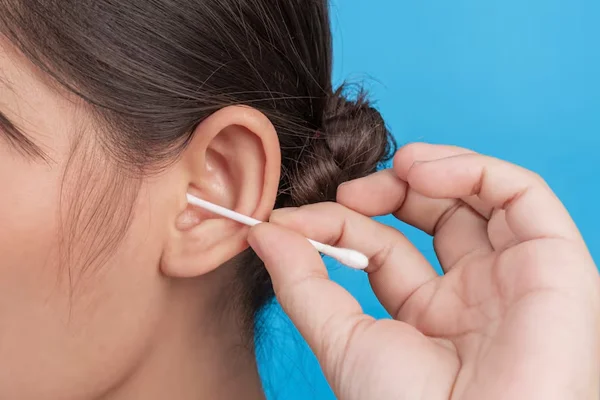
Inserting cotton buds or other objects into the ear can push wax deeper into the ear canal and may cause irritation or injury. In some cases, it can even damage the eardrum.
For persistent or impacted earwax, professional Ear Wax Removal in Ghaziabad can provide a safer alternative to attempting removal at home.
Ear Wax Removal in Ghaziabad
If you are experiencing a blocked ear, muffled hearing, ear discomfort, or suspected impacted wax, an ENT consultation can help determine the cause.
Dr. Sanjeev Arora provides professional ear evaluation and appropriate ear wax removal, with a focus on safe and patient-friendly care.
Why Choose Dr. Sanjeev Arora?
Dr. Sanjeev Arora is a senior ENT surgeon with extensive experience in managing ear, nose, and throat conditions. His special interests include Micro-Ear Surgery, Middle Ear Ossiculoplasty, Cochlear Implant Surgery, Endoscopic Sinus Surgery, Rhinoplasty, Microlaryngeal Surgery, and Head & Neck Surgery.
His detailed approach helps ensure that earwax is not assumed to be the cause of symptoms without appropriate examination of the ear.
When Should You See an ENT Specialist?
You should consider an ENT consultation if you experience:
- Persistent hearing loss
- Severe or recurring ear pain
- Complete ear blockage
- Ringing in the ears
- Dizziness or balance problems
- Ear discharge
- Repeated wax buildup
- Symptoms that continue after attempted wax removal
These symptoms can sometimes indicate an underlying ear condition rather than simple wax accumulation.
Frequently Asked Questions
Is professional ear wax removal safe?
Professional removal is generally safe when performed after an appropriate ear examination. The technique is selected according to the condition of the ear canal and eardrum.
Can I remove earwax with a cotton bud?
It is generally advisable to avoid inserting cotton buds or other objects into the ear canal because they can push wax deeper or injure the ear.
Does earwax cause hearing loss?
Impacted earwax can cause temporary conductive hearing loss by blocking the ear canal. Hearing should be reassessed if it does not improve after appropriate wax removal.
How often should earwax be removed?
There is no fixed schedule for ear wax removal. Most people do not need routine removal because the ears naturally clear wax. Removal may be necessary when wax becomes impacted or causes symptoms.
Can earwax cause ringing in the ears?
Yes. Impacted earwax can sometimes contribute to tinnitus or ringing sensations. However, persistent tinnitus should be evaluated by an ENT specialist to identify other possible causes.
Should I use ear drops for earwax?
Certain ear drops may help soften earwax, but they are not appropriate for everyone. It is best to seek professional advice, particularly if you have a history of eardrum problems, ear surgery, or ear discharge.


