

Laryngeal Endoscopy
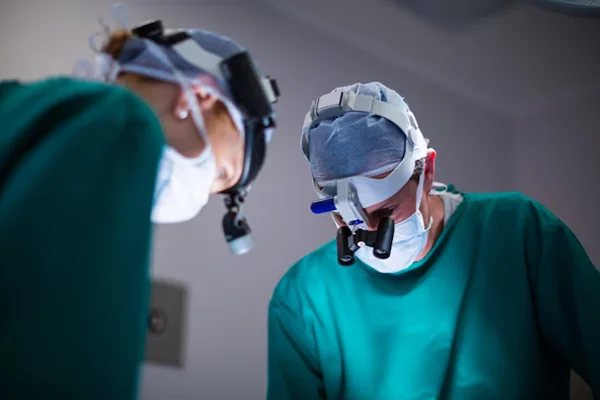
Laryngeal endoscopy is an advanced ENT diagnostic procedure used to examine the larynx (voice box), vocal cords, and surrounding throat structures. It helps an ENT specialist evaluate persistent voice changes, throat discomfort, swallowing difficulties, breathing problems, and other conditions affecting the voice box.
Dr. Sanjeev Arora, an experienced ENT surgeon, provides comprehensive evaluation and management of laryngeal and throat conditions. With a special interest in microlaryngeal surgery, he uses detailed clinical assessment and appropriate diagnostic techniques to identify the cause of voice and throat-related symptoms.
What Is Laryngeal Endoscopy?
Laryngeal endoscopy involves using a thin endoscope with a camera and light to obtain a detailed view of the larynx and vocal cords. Depending on the patient's symptoms and the area that needs to be examined, a flexible or rigid endoscope may be used.
The procedure provides a closer view of the structures involved in voice production and can help detect abnormalities that may not be visible during a routine throat examination.
Why Is Laryngeal Endoscopy Performed?
Dr. Sanjeev Arora may recommend laryngeal endoscopy for patients experiencing:
- Persistent hoarseness or voice changes
- Loss or weakness of voice
- Chronic throat discomfort
- Difficulty or pain while swallowing
- Persistent cough
- Sensation of something stuck in the throat
- Noisy or difficult breathing
- Recurrent throat symptoms
- Unexplained vocal cord problems
- Voice problems in professional voice users
A detailed examination can help identify the underlying cause and guide appropriate treatment.
What Can Laryngeal Endoscopy Detect?
Laryngeal endoscopy can help evaluate conditions involving the vocal cords and larynx, including:
Vocal Cord Abnormalities
The procedure can help identify swelling, lesions, nodules, polyps, or other abnormalities affecting the vocal cords.
Vocal Cord Movement Problems
It can assess the movement and function of the vocal cords and help identify conditions affecting normal voice production.
Laryngeal Inflammation
Inflammation or irritation of the larynx may contribute to hoarseness, throat discomfort, and changes in voice.
Throat and Laryngeal Lesions
Endoscopy allows the ENT specialist to examine suspicious areas and determine whether further investigation or treatment is required.
Other Laryngeal Conditions
It may also assist in evaluating structural and functional abnormalities of the voice box.
How Is Laryngeal Endoscopy Performed?
Laryngeal endoscopy is generally performed as an outpatient procedure. Depending on the type of examination, a local anaesthetic spray may be used to improve comfort.
A thin endoscope is carefully guided through the nose or mouth to visualise the throat and larynx. The ENT specialist examines the vocal cords and surrounding structures while viewing the images produced by the camera.
The procedure is usually brief, and patients can generally return home after the examination.
Is Laryngeal Endoscopy Painful?
Laryngeal endoscopy is generally well tolerated. Some patients may experience temporary discomfort, a sensation of pressure, gagging, coughing, or mild irritation. Local anaesthetic may be used when appropriate to make the examination more comfortable.
Benefits of Laryngeal Endoscopy
Laryngeal endoscopy can provide:
- Detailed visualisation of the vocal cords and larynx
- Better assessment of persistent voice changes
- Identification of structural abnormalities
- Evaluation of vocal cord movement
- Support for accurate diagnosis
- Guidance for personalised treatment planning
- Assessment before or after selected laryngeal procedures
Laryngeal Endoscopy and Voice Problems
Persistent hoarseness should not always be considered a minor throat problem. Voice changes that continue or repeatedly return may require an ENT evaluation.
Laryngeal endoscopy allows the doctor to directly examine the vocal cords and larynx, helping determine whether symptoms are related to inflammation, vocal cord lesions, functional problems, or another underlying condition.
When Should You Consult an ENT Specialist?
Consider an ENT consultation if you experience:
- Hoarseness lasting longer than expected
- Recurrent voice changes
- Loss of voice
- Difficulty swallowing
- Persistent throat discomfort
- Chronic cough
- Breathing difficulties
- Pain associated with speaking or swallowing
- A persistent sensation of something in the throat
Early evaluation can help identify the cause and determine appropriate treatment.
Why Choose Dr. Sanjeev Arora?
Dr. Sanjeev Arora is a senior ENT surgeon with extensive experience in managing conditions affecting the ear, nose, throat, and head and neck. His areas of special interest include Microlaryngeal Surgery, Endoscopic Sinus Surgery, Micro-Ear Surgery, Cochlear Implant Surgery, Rhinoplasty, and Head & Neck Surgery.
He focuses on detailed diagnosis, personalised treatment planning, and appropriate surgical or non-surgical management based on each patient's condition.
Laryngeal Endoscopy in Ghaziabad
If you are looking for Laryngeal Endoscopy in Ghaziabad, consulting an experienced ENT specialist can help evaluate persistent voice, throat, or breathing-related symptoms.
Dr. Sanjeev Arora provides comprehensive ENT evaluation and can recommend laryngeal endoscopy when clinically appropriate to assess the vocal cords and larynx.
Frequently Asked Questions
What is laryngeal endoscopy used for?
It is primarily used to examine the larynx and vocal cords and evaluate symptoms such as persistent hoarseness, voice changes, swallowing difficulties, throat discomfort, and breathing problems.
Is laryngeal endoscopy safe?
Laryngeal endoscopy is generally considered a safe diagnostic procedure. Minor temporary discomfort, coughing, gagging, or throat irritation may occur.
How long does laryngeal endoscopy take?
The examination is generally brief, although the exact duration depends on the type of endoscopy and the extent of evaluation required.
Can laryngeal endoscopy detect vocal cord problems?
Yes. It allows the ENT specialist to directly examine the vocal cords and assess their appearance and movement, helping identify several structural and functional abnormalities.
Does every case of hoarseness require laryngeal endoscopy?
Not necessarily. The need for endoscopy depends on the duration, severity, and nature of the symptoms. An ENT specialist can determine whether the procedure is appropriate after evaluating the patient.
What happens after laryngeal endoscopy?
The findings are discussed with the patient, and further treatment or investigations may be recommended depending on the cause of the symptoms.


