

Nasal Endoscopy
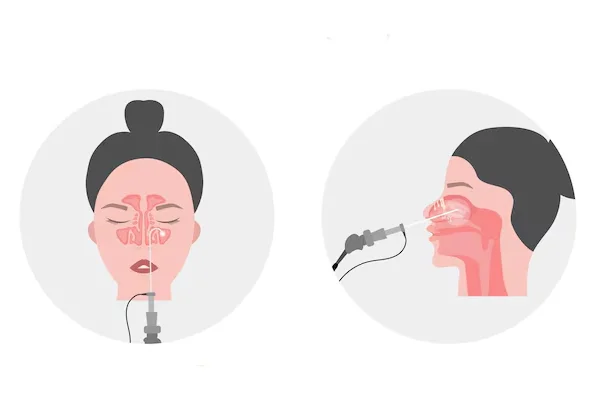
Nasal endoscopy is a minimally invasive diagnostic procedure that allows an ENT specialist to examine the inside of the nose, nasal passages, sinuses, and upper throat using a thin, flexible or rigid endoscope with a small camera and light. It provides a clear, magnified view of areas that may not be adequately assessed during a routine ENT examination.
Dr. Sanjeev Arora, an experienced ENT surgeon, offers comprehensive evaluation and treatment for a wide range of nasal and sinus conditions. With expertise in endoscopic procedures and sinus surgery, he uses detailed clinical assessment to identify the underlying cause of persistent nasal symptoms and recommend appropriate treatment.
What Is Nasal Endoscopy?
Nasal endoscopy is an outpatient ENT procedure performed using a narrow endoscope inserted gently through the nostril. The camera provides a detailed view of the nasal cavity and related structures.
It can help an ENT specialist identify inflammation, swelling, infection, polyps, structural abnormalities, and other conditions affecting normal nasal breathing and sinus function.
Unlike a standard examination, nasal endoscopy allows the doctor to visualise deeper areas of the nasal passage that may otherwise be difficult to examine.
Why Is Nasal Endoscopy Performed?
Dr. Sanjeev Arora may recommend nasal endoscopy when symptoms are persistent, recurrent, or require a more detailed evaluation.
The procedure can help assess:
- Persistent nasal blockage
- Chronic sinusitis
- Recurrent sinus infections
- Nasal polyps
- Deviated nasal septum
- Abnormal nasal discharge
- Recurrent nosebleeds
- Reduced sense of smell
- Post-nasal drip
- Facial pressure or pain
- Nasal or sinus inflammation
- Unexplained nasal symptoms
Nasal endoscopy can also be useful when planning or monitoring treatment for certain nasal and sinus conditions.
How Is Nasal Endoscopy Performed?
Nasal endoscopy is generally performed in an ENT clinic. Before the procedure, a local decongestant or anaesthetic spray may be used when appropriate to improve comfort and visibility.
A small endoscope is then carefully introduced through the nostril. Dr. Arora examines the nasal passages and surrounding structures while viewing the images produced by the camera.
The procedure is usually brief, and most patients can return to their normal activities shortly afterward, depending on the individual circumstances.
What Can Nasal Endoscopy Detect?
Nasal endoscopy provides detailed information about the condition of the nasal cavity and may help identify:
Nasal Polyps
Soft tissue growths associated with chronic inflammation that can cause nasal obstruction and reduced smell.
Sinus Disease
Inflammation, infection, drainage problems, or other findings associated with chronic or recurrent sinusitis.
Deviated Septum
A structural deviation of the nasal septum that may contribute to difficulty breathing through the nose.
Nasal Inflammation
Swelling and inflammatory changes that may be associated with allergies, infections, or chronic nasal conditions.
Other Nasal Abnormalities
The procedure may reveal anatomical or mucosal abnormalities that require further evaluation or treatment.
Benefits of Nasal Endoscopy
Nasal endoscopy offers several advantages as part of an ENT evaluation:
- Provides a detailed view of the nasal passages
- Helps identify the underlying cause of nasal symptoms
- Supports accurate diagnosis and treatment planning
- Can assist in evaluating chronic sinus problems
- Helps assess nasal anatomy before certain procedures
- Can be performed as an outpatient procedure
- Allows the doctor to monitor treatment in selected cases
Is Nasal Endoscopy Painful?
Nasal endoscopy is generally well tolerated. Some patients may experience mild pressure, irritation, sneezing, or temporary discomfort during the examination. Appropriate preparation and local anaesthetic or decongestant medication may be used to improve comfort when required.
Nasal Endoscopy and Sinus Treatment
For patients with chronic or recurrent sinus problems, nasal endoscopy can provide important information about the condition of the nasal passages and sinus drainage pathways.
Dr. Sanjeev Arora has a special interest in Endoscopic Sinus Surgery and can use the findings from a detailed nasal evaluation to determine whether medical management, further investigations, or surgical treatment may be appropriate.
When Should You Consider Nasal Endoscopy?
You may need an ENT evaluation and nasal endoscopy if you have persistent:
- Nasal congestion or blockage
- Difficulty breathing through the nose
- Sinus infections
- Facial pressure or pain
- Post-nasal drip
- Reduced sense of smell
- Nasal discharge
- Nosebleeds
- Snoring or other nasal breathing problems
A specialist evaluation can help determine whether nasal endoscopy or other diagnostic tests are appropriate.
Why Choose Dr. Sanjeev Arora?
Dr. Sanjeev Arora is a senior ENT surgeon with extensive experience in the diagnosis and treatment of ear, nose, throat, and head and neck conditions. His areas of special interest include Endoscopic Sinus Surgery, Micro-Ear Surgery, Cochlear Implant Surgery, Rhinoplasty, Microlaryngeal Surgery, and Head and Neck Surgery.
His patient-focused approach combines detailed clinical evaluation with appropriate diagnostic and treatment options tailored to each patient's condition.
Nasal Endoscopy in Ghaziabad
If you are looking for Nasal Endoscopy in Ghaziabad, a consultation with an experienced ENT specialist can help determine the cause of persistent nasal and sinus symptoms.
Dr. Sanjeev Arora provides comprehensive ENT evaluation and can recommend nasal endoscopy when a detailed examination of the nasal passages is clinically appropriate.
Frequently Asked Questions
Is nasal endoscopy performed in the clinic?
Yes. Nasal endoscopy is commonly performed as an outpatient ENT procedure and generally does not require hospital admission.
How long does a nasal endoscopy take?
The examination is usually completed within a short period, although the exact duration can vary depending on the patient's symptoms and the extent of evaluation required.
Can nasal endoscopy detect sinus problems?
It can help identify signs associated with sinus disease, inflammation, drainage abnormalities, and nasal conditions. Depending on the clinical situation, additional imaging such as a CT scan may also be recommended.
Is nasal endoscopy safe?
Nasal endoscopy is generally considered a safe diagnostic procedure. Minor temporary discomfort, irritation, sneezing, or a small amount of nasal bleeding can occur in some patients.
Can nasal endoscopy replace a CT scan?
Not always. Nasal endoscopy and CT scans provide different types of information. Your ENT specialist may recommend one or both depending on your symptoms and suspected condition.
Who should undergo nasal endoscopy?
Patients with persistent or recurrent nasal blockage, sinus problems, nasal discharge, reduced smell, nosebleeds, or other unexplained nasal symptoms may benefit from an ENT evaluation to determine whether nasal endoscopy is appropriate.


