

Tonsillitis and Adenoid Hypertrophy
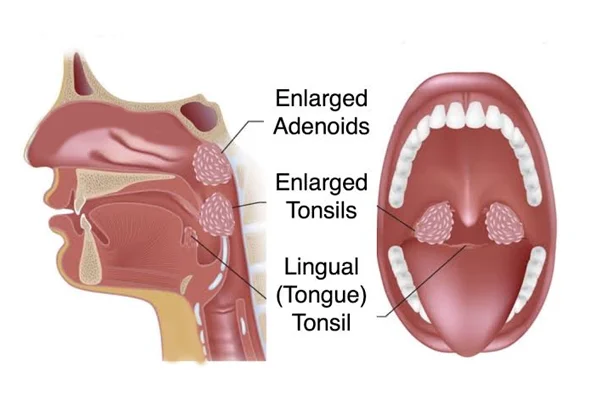
Tonsillitis and adenoid hypertrophy are common ENT conditions that can affect breathing, swallowing, sleep, hearing, and overall quality of life, particularly in children. With timely diagnosis and appropriate treatment, most patients can achieve significant relief from their symptoms.
Dr. Sanjeev Arora, a senior ENT surgeon with extensive experience in the diagnosis and surgical management of ENT conditions, provides comprehensive evaluation and personalised treatment for tonsillitis and adenoid hypertrophy.
What Are Tonsillitis and Adenoid Hypertrophy?
Tonsillitis refers to inflammation or infection of the tonsils, which are lymphatic tissues located at the back of the throat. It may be caused by viral or bacterial infections and can result in symptoms such as sore throat, difficulty swallowing, fever, swollen tonsils, and bad breath.
Adenoid hypertrophy occurs when the adenoids, located behind the nose and above the throat, become enlarged. Enlarged adenoids are particularly common in children and may interfere with normal nasal breathing, sleep, and ear function.
When tonsils and adenoids become persistently enlarged or repeatedly infected, they may require specialist ENT evaluation and treatment.
Symptoms of Tonsillitis
Common symptoms of tonsillitis include:
- Sore or painful throat
- Difficulty or pain while swallowing
- Red or swollen tonsils
- White or yellow patches on the tonsils
- Fever and chills
- Swollen lymph nodes in the neck
- Bad breath
- Changes in voice
- General weakness or fatigue
Repeated episodes of tonsillitis may interfere with a child's school attendance, sleep, appetite, and daily activities.
Symptoms of Adenoid Hypertrophy
Enlarged adenoids may cause symptoms such as:
- Persistent nasal blockage
- Difficulty breathing through the nose
- Mouth breathing
- Snoring during sleep
- Restless or disturbed sleep
- Sleep-disordered breathing
- Recurrent ear infections
- Hearing difficulties
- Nasal or blocked-sounding voice
- Frequent throat or upper respiratory infections
In children, long-standing adenoid enlargement can sometimes affect sleep quality, hearing, speech, and normal facial and dental development.
Causes and Risk Factors
Tonsillitis is commonly associated with viral or bacterial infections. Recurrent exposure to infections, especially in children attending school or daycare, may increase the likelihood of repeated episodes.
Adenoid hypertrophy may occur due to repeated infections, allergies, or natural enlargement of adenoid tissue during childhood. In some children, enlarged adenoids persist and obstruct the normal flow of air through the nose.
Diagnosis of Tonsillitis and Adenoid Hypertrophy
Dr. Sanjeev Arora begins with a detailed assessment of the patient's symptoms and medical history. Depending on the symptoms, an ENT examination may include evaluation of the throat, tonsils, nose, ears, and surrounding structures.
For suspected adenoid hypertrophy, additional evaluation may be recommended to assess the size of the adenoids and their effect on nasal breathing and the ears. Hearing assessment or other investigations may also be advised when clinically appropriate.
An accurate diagnosis helps determine whether conservative medical treatment or surgery is appropriate.
Tonsillitis and Adenoid Hypertrophy Treatment in Ghaziabad
The treatment depends on the patient's age, symptoms, frequency of infections, severity of obstruction, and overall health.
Medical Treatment
For appropriate cases, treatment may include medicines to manage infection, inflammation, pain, fever, or associated allergies. Adequate hydration, rest, and supportive care may also be recommended.
If bacterial tonsillitis is suspected or confirmed, the treating ENT specialist may prescribe appropriate antibiotics.
Tonsillectomy
Tonsillectomy is a surgical procedure to remove the tonsils. It may be considered for patients with recurrent or severe tonsillitis or when enlarged tonsils contribute to significant breathing or sleep-related problems.
Adenoidectomy
Adenoidectomy involves surgical removal of enlarged adenoid tissue. It may be recommended when enlarged adenoids cause persistent nasal obstruction, mouth breathing, snoring, sleep-disordered breathing, recurrent ear problems, or other significant symptoms.
Tonsillectomy and Adenoidectomy
In some patients, both the tonsils and adenoids may contribute to airway obstruction or recurrent infections. In such cases, an ENT specialist may recommend removing both during the same procedure, when appropriate.
When Should You See an ENT Specialist?
An ENT consultation is advisable if you or your child experiences:
- Frequent episodes of tonsillitis
- Persistent or severe sore throat
- Difficulty swallowing
- Enlarged tonsils affecting breathing
- Persistent mouth breathing
- Loud or frequent snoring
- Pauses in breathing during sleep
- Recurrent ear infections
- Hearing difficulties
- Persistent nasal blockage
- Poor-quality or disturbed sleep
Early evaluation can help identify the underlying cause and prevent persistent symptoms from affecting daily life.
Why Choose Dr. Sanjeev Arora?
Dr. Sanjeev Arora is an experienced ENT surgeon with extensive expertise in managing a broad range of ear, nose, and throat conditions. His approach focuses on accurate diagnosis, appropriate treatment planning, and personalised patient care.
With expertise in ENT and head and neck surgery, Dr. Arora evaluates each patient's symptoms carefully before recommending medical or surgical treatment. When surgery is indicated, the treatment plan is tailored according to the patient's individual needs and clinical condition.
Get Expert ENT Care in Ghaziabad
If you are looking for Tonsillitis and Adenoid Hypertrophy treatment in Ghaziabad, consulting an experienced ENT specialist can help you understand the cause of your symptoms and identify the most appropriate treatment.
Dr. Sanjeev Arora provides comprehensive ENT evaluation and treatment with a focus on patient safety, personalised care, and appropriate clinical management.
Frequently Asked Questions
Can tonsillitis and adenoid hypertrophy occur together?
Yes. Enlarged tonsils and adenoids can occur together, particularly in children, and may contribute to recurrent infections, nasal obstruction, mouth breathing, snoring, and sleep-related breathing difficulties.
Does every case of enlarged adenoids require surgery?
No. Surgery is not necessary in every case. The decision depends on the severity and duration of symptoms, the effect on breathing, sleep, hearing, and overall health.
Is tonsillectomy or adenoidectomy safe?
These are commonly performed ENT procedures. However, as with any surgery, they have potential risks. An ENT specialist evaluates the patient's condition and discusses the benefits and risks before recommending surgery.
Can enlarged adenoids affect hearing?
Yes. Enlarged adenoids can interfere with the normal function of the Eustachian tubes and may contribute to middle-ear fluid and hearing difficulties in some children.
How can I know whether my child needs an ENT evaluation?
Persistent mouth breathing, loud snoring, recurrent throat or ear infections, nasal blockage, hearing difficulties, or disturbed sleep are reasons to seek an ENT evaluation.


